
NPMCA field guide · Public tools and downloads
How to Get Winter Business: Snow Removal and Brine Anti-Icing
Start winter work with customers, inspected sites and a service promise you can keep. Snow removal and liquid anti-icing need separate equipment, pricing and records; brine does not replace plowing or a safe weather decision.
Author: NPMCA · Updated · Version 1
Sources are checked; this is general education, not professional advice.
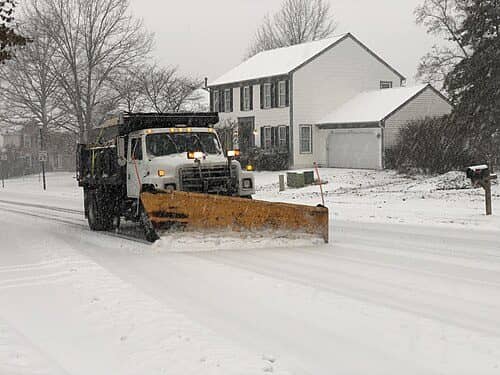
Photo: Famartin / Wikimedia Commons, CC BY-SA 4.0

Before you start
- A trained winter-service plan and backup coverage.
- Inspected prospective sites and current solution/equipment documents.
- Local coverage, transport/environmental checks and contract review.
What you will finish with
- A winter prospect/site survey and written service scope.
- Separate snow/liquid pricing with defined billable units.
- Monthly cash scenarios and a dated service-event record.
Source note: sources below were checked as of October 11, 2026. Product revisions, local rules and your written quotes control the actual job. Unknown costs stay blank.
Choose a winter service you can reliably deliver.
Choose the work your people, machines, route and customer access can support. MnDOT distinguishes preventive anti-icing from treatment after bonding/accumulation; its road guidance does not set your private-site application rate.
Snow removal moves accumulated snow
Define what surfaces will be plowed/cleared, where snow may be stored and how access is restored. A liquid-treatment machine does not provide that removal capacity.
Anti-icing treats ahead of bonding and deicing treats after it
Anti-icing is a preventive chemical application; deicing addresses formed ice/snow pack. Record which service is authorized and avoid selling an undefined snow-and-ice promise.
Forecast, pavement temperature and site/product conditions
Use current forecast/alerts, on-site pavement conditions and the selected solution's instructions. Wind, moisture and surface conditions can change the decision; no generic brine temperature or rate is inserted.
Brine does not replace plowing
Plan removal, return visits and treatment as separate tasks. Do not describe spraying as a guarantee against ice or as eliminating the need for snow removal.
Find winter customers before committing equipment.
Prepare the site survey and proposal before treating winter demand as booked income.
Ask existing pavement customers about lots and sidewalks
Ask who manages winter work, the actual areas, operating windows, access priorities, vendor requirements and existing service problems. A pavement customer may have a separate winter buyer.
Property managers, local procurement opportunities and contractor partnerships
Follow actual vendor/procurement processes and discuss a specific winter scope with complementary contractors. Put responsibilities and backup coverage in writing before taking work.
Walk each site and confirm service windows, route density and backup coverage
Map obstacles, drains, snow storage, pedestrian routes and existing damage. Check travel/refill time and simultaneous obligations, and name how a machine or staffing failure will be covered.
Equipment for snow removal.
Select the equipment from the actual site and rated vehicle fit rather than a national starter package.
Vehicle-compatible plow or loader/pusher for the selected lot
Confirm machine, attachment, payload/ratings and transport compatibility with the manufacturer and qualified installer. Match the lot/access and training rather than buying from blade width alone.
Sidewalk shovels, blower or suitable small machine
Choose tools that can safely reach the contracted walks and entrances. Check storage, transport, obstacles and actual operator competence.
Spreader if granular treatment is contracted
Add a compatible calibrated spreader and product handling only when that treatment is in the scope. Product/site instructions govern quantity; no default salt rate is supplied.
Lighting, transport, cutting-edge/hoses/spares, PPE and storage
Use matching manuals and the hazard plan for visibility, support equipment, approved spares, protection and storage. Obtain delivered quotes and a repair/backup plan.
| BOSS sidewalk-machine example, as of 2026-10-11 | Published starting USD price | Basis |
|---|---|---|
| SR Scout | $10,500.00 | Distinct starting configuration |
| Snowrator | $14,193.40 | Distinct starting configuration |
| SR MAG | $19,116.80 | Distinct starting configuration |
Equipment for a brine/anti-icing business.
Obtain written fit for the selected solution and actual tank load. Manufacturer examples below are individual systems, not like-for-like market ranges or a complete winter budget.
Buy ready-made solution versus making it
Compare dated delivered solution quotes with the complete production/quality/storage process. Making brine adds water/salt handling, testing, training and equipment; do not assume a universal savings percentage.
Compatible storage/vehicle tank, pump, filter, boom/nozzles, hoses and controls
Confirm material compatibility, vehicle ratings, actual loaded weight, mounting, agitation/filtration and application control requirements with the supplier/manufacturer.
Calibration and concentration-testing equipment required by the selected solution
Record current solution requirements, measuring/test method and calibration evidence. No standard concentration, nozzle setting or gallon-per-acre rate is prescribed here.
Water/salt handling and maker only if producing
Include production space, utilities, supplies, training and handling needs in the budget if making solution. A brine maker price excludes that complete operating setup.
Rated payload, containment, cleaning and environmental checks
Verify transport/storage, spill controls, approved cleanup and local environmental rules before ordering. Keep SDS, manuals and receiving/batch records with each solution.
| Turbo Turf posted example, as of 2026-10-11 | Published USD price | Configuration/exclusions |
|---|---|---|
| 200-gallon electric sprayer | $2,990 | One-lane boom and controller |
| ICS-300 gas sprayer, 300 gallons | $7,185 | Three-lane boom and controller |
| ICS-1635 sprayer, 1,635 gallons | $11,985 | Three-lane boom and controller |
| BM-450 brine maker | $5,995 | Maker only; compare full production setup |
| All listed systems | Obtain final quote | Optional equipment, shipping and taxes excluded |
Price snow and liquid work separately.
Use your actual cost model and state precisely what triggers a bill. No national per-lot price, material price or storm-count forecast is supplied.
Per push, per event, hourly and seasonal models
Define a push/visit, event or billable hour in the proposal. For a seasonal price, identify the included work and user-entered low/expected/high service-event scenarios.
Material quantities, refill/travel and labor
Use calibrated product/site quantities, dated delivered material costs and all paid driving/refilling/working hours. Keep snow and liquid lines separate so each scope can be reviewed.
Standby, repairs, overhead and backup
Include actual readiness costs, service, backup and named overhead allocation. The pricing page's gross-margin versus margin-after-overhead definitions still apply.
Scope-defined minimum callout and material adjustments
Calculate the smallest authorized visit from its actual costs. State how an exceptional event, changed material price or extra visit is approved rather than adding an unspecified fee later.
Put the scope and payment terms in writing.
Use the site map and event log to make the service promise understandable, then have the actual terms reviewed locally.
Site map, triggers, completion windows and priority areas
Define who monitors, authorizes and records work, the service trigger, arrival/completion windows and priorities. Do not leave a trigger or overnight responsibility implied.
Plow zones, snow storage, sidewalks and refreeze/return visits
Mark removal/storage boundaries, obstructions and pedestrian areas, then define monitoring and return-visit responsibilities. Record pre-existing damage and site changes.
Anti-icing authorization, records and exclusions
Identify authorized preventive/liquid work, required product/site checks, application records and exclusions. A forecast does not itself approve treatment.
Invoicing, collection terms, changes and locally reviewed risk terms
Specify invoice evidence/delivery, actual due dates, change approval and lawfully agreed payment terms. Get qualified review of risk language; this checklist is not a preapproved contract.
Plan cash through a light or heavy winter.
For each month: closing cash = opening cash + scheduled receipts − materials, payroll, equipment payments, repairs and other bills. Use service scenarios and late receipts to find the lowest balance.
Fixed bills even without storms
List storage, equipment payments, coverage and other commitments that remain when visits are few. Test the low-event case without pretending it produces per-event income.
Materials/payroll before customers pay
Put procurement, refills and payroll on their actual dates. A heavy-event winter can increase the cash gap even when invoices grow.
Contract-based readiness payments where agreed and lawful
Record equal installments or readiness payments only when the actual contract permits them. They are agreed cash timing, not guaranteed income or profit.
Spring transition, maintenance and storage costs
Include cleanup, repairs, storage and spring preparation. Keep summer receivables visible and do not fund next season from invoices that have not been collected.
Prepare a winter site survey and scoped proposal
Identify the winter buyer
Confirm who approves service, vendor requirements and the intended snow/liquid work.
Inspect and map the site
Record work surfaces, priorities, obstacles, damage, snow storage and service windows.
Check equipment and backup
Verify fit, rated transport, training, solution requirements and failure coverage.
Price the defined units
Calculate snow and liquid costs separately and test the entered service-event/cash scenarios.
Write the terms for review
State triggers, authorized treatment, completion/return responsibilities, changes, invoice evidence and due dates.
Prepare the event record
Include weather/site readings, authorized work, amounts, times and photos without an automated application verdict.
Public tools
Use these without an account. Enter your own measurements and quotes. Save records on this device or export a copy for your job folder.
Your working record
Records stay in this browser. Export before switching devices. Do not enter bank details, identification numbers or private customer information.
Download the working documents
Version 1 · As of 2026-10-11. PDF for printing; DOCX and spreadsheets for editing. No email or membership required.
Tools you get as an NPMCA member
Confirmed access and plan limits
Optional member resources. Your plan and the member app determine access. The guide and its public tools work without membership.
Available catalog deals
These live catalog resources include practical tools, help and deals. Check each row's eligible plans and terms in the member app.
- PaveCare Navigator
Compare care price options for your membership and location. Confirm the selected service and final price with the provider. This tool is not insurance.
Plans: PaveCarePlus; NPMCA Business PavePro with PaveCarePlus. Catalog checked as of 2026-10-11.
- Deals, Perks & Savings
Browse member offers in NB Deals. Confirm account access and read the selected offer terms.
Plans: PaveCare; PaveCarePlus; NPMCA Business PavePro with PaveCare; NPMCA Business PavePro with PaveCarePlus. Catalog checked as of 2026-10-11.
- Travel — Member Hotel Rates
Member hotel booking with the current phone access shown in the app. Confirm the complete price and cancellation terms before booking.
Plans: PaveCare; PaveCarePlus; NPMCA Business PavePro with PaveCare; NPMCA Business PavePro with PaveCarePlus. Catalog checked as of 2026-10-11.
- More Travel Deals
Travel booking through the phone access listed in the member app. Check current booking terms.
Plans: PaveCare; PaveCarePlus; NPMCA Business PavePro with PaveCare; NPMCA Business PavePro with PaveCarePlus. Catalog checked as of 2026-10-11.
- LotDesk
Keep lots, quantities and proposals in one place. Open LotDesk from the member app home. An active business plan is required.
Plans: NPMCA Business Membership Only; NPMCA Business PavePro with PaveCare; NPMCA Business PavePro with PaveCarePlus. Catalog checked as of 2026-10-11.
- Business Tax Hotline
Help with business tax questions. This benefit does not process payroll or keep your books.
Plans: NPMCA Business PavePro with PaveCare; NPMCA Business PavePro with PaveCarePlus. Catalog checked as of 2026-10-11.
- Small Business Legal Plan
Business legal help under the plan terms. Confirm whether a particular question is covered and ask about fees before work begins.
Plans: NPMCA Business PavePro with PaveCare; NPMCA Business PavePro with PaveCarePlus. Catalog checked as of 2026-10-11.
- Credit & Collections
Tucker Albin referral help with unpaid business invoices. Active PavePro with PaveCare or PavePro with PaveCarePlus membership is required. Check provider terms; recovery is not guaranteed.
Plans: NPMCA Business PavePro with PaveCare; NPMCA Business PavePro with PaveCarePlus. Catalog checked as of 2026-10-11.
PaveCare health benefits are not insurance. Household access is an optional paid add-on. Compare membership plans.
New company offer
Details being finalized
Frequently asked questions
Can I sell winter work to existing pavement customers?
Ask about their actual winter buyer, lots/walks and vendor process, then inspect and quote the defined winter scope separately.
What equipment do snow removal and brine spraying each need?
Snow removal needs site-fit removal equipment; liquid treatment needs a compatible rated/calibrated storage and application system. Both need support, safety and backup planning.
How is anti-icing different from deicing?
Anti-icing treats before bonding; deicing addresses formed ice/snow pack. The selected product and actual site control the application decision.
Should I buy brine or make it?
Compare delivered solution with the complete documented production, testing, storage and handling setup. This guide assumes no cost savings either way.
How do I compare per-push and seasonal pricing?
Define the billable unit and included work, then use the same costs against entered low/expected/high visit scenarios and actual payment timing.
What belongs in a snow and ice contract?
A site map, trigger/authorization, priorities/windows, snow storage, treatments, monitoring/returns, records, exclusions, changes and reviewed payment/risk terms.
How do I pay the bills during a winter with little snow?
Model the fixed obligations against the contract's actual scheduled receipts in a low-event case. Adjust commitments and reserves from that cash gap.
What should I record after each visit?
Keep date/site, forecast and pavement observations, authorization, tasks, product amounts/calibration basis, times, photos, incidents and follow-up.
Related guides
Sources and corrections
- MnDOT: Winter maintenance questions · As of 2026-10-11 · Road-agency context. Exact product, site and local environmental requirements control your application.
- BOSS: Snowrator builder · As of 2026-10-11 · Starting-price examples for distinct sidewalk machines; obtain a delivered configuration quote.
- Turbo Turf: Brine sprayers and maker prices · As of 2026-10-11 · Page dated January 2026; optional equipment, shipping and taxes excluded.
- SIMA: Purchasing snow and ice management services · As of 2026-10-11 · 2017 procurement guide; scope/record/pricing structure, not current local rates or legal approval.
Found an error or an outdated source? Send NPMCA a correction with the page and source.
Return to the Start a Business guide →