
Personal finance for people who work in the trades
Free lessons on pay, banking, budgets, credit, debt, saving and family money, written for people paid weekly, by the job or in cash.
See the courses →NPMCA Learning · Academy
Free courses, Start guides, and SealMaster field how-tos for the people who build and maintain pavement, plus NPMCA Academy training, safety and compliance resources, and career records for members.
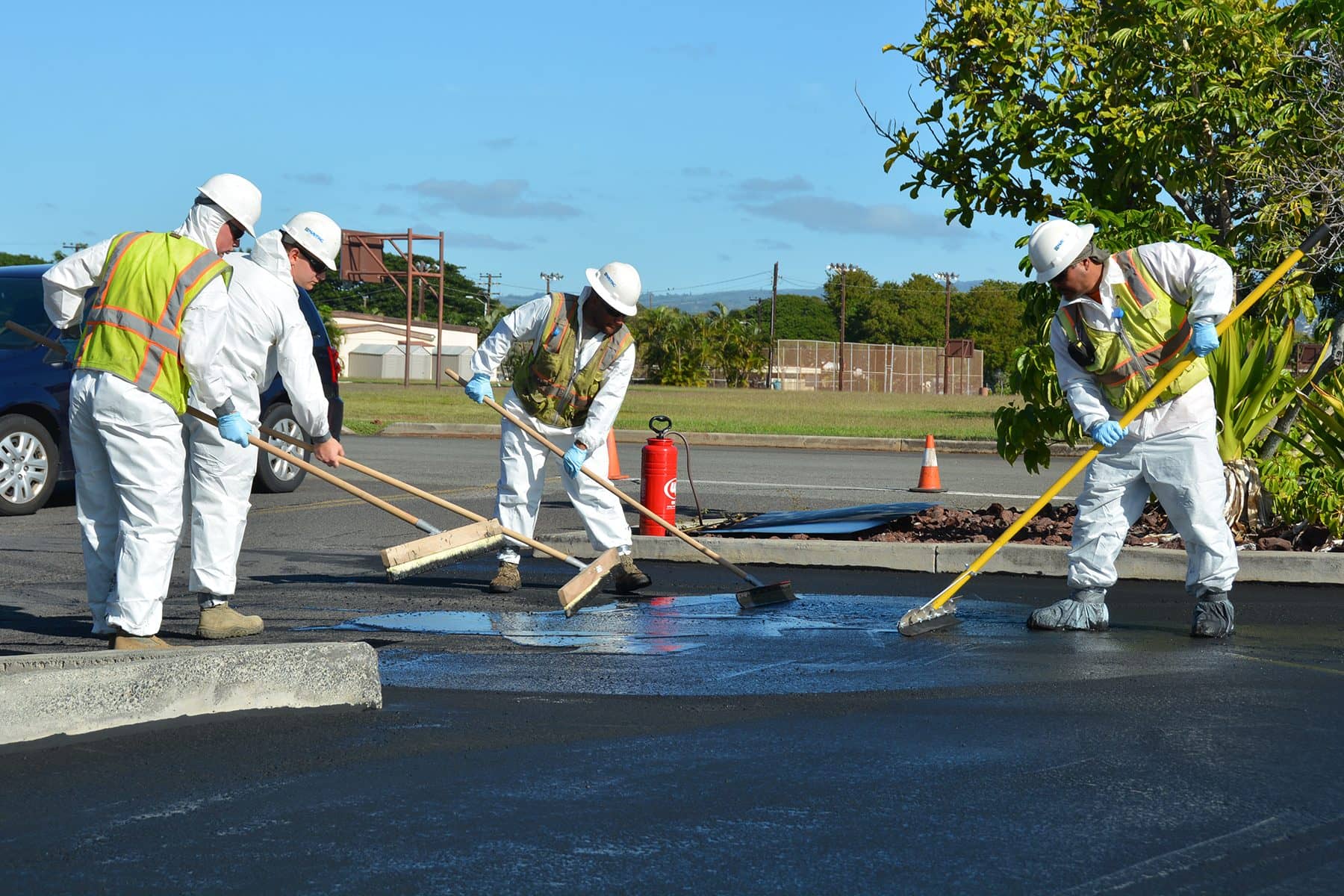
Photo: NAVFAC / Wikimedia Commons, CC BY 2.0
Learn at your own pace with personal finance courses, business finance courses for pavement contractors, and practical Start guides. Free to read, with no sign-in required.
Free lessons for crew members and anyone paid weekly, by the job or in cash: pay stubs, W-2 vs 1099, banking, seasonal budgets and the Winter Fund.
13 lessons
Free lessons on credit reports and scores, getting out of debt, debt collectors, insurance basics, scams and starting over after a setback.
10 lessons
Free lessons on a full emergency fund, 401(k)s and IRAs, investing basics, tax credits, how much vehicle you can afford, and renting or buying a home.
9 lessons
Free lessons on money with a partner, having a baby, saving for college or trade school, life insurance, wills, Social Security, giving and a 10-year plan.
9 lessons
Banking and business credit, cash flow and job costing, equipment, where to borrow, insurance and taxes.
Free lessons on starting a pavement maintenance business: the honest math, proving demand, startup costs, paying for the start, setup, insurance and a go/no-go check.
9 lessons
Free lessons for new contractors: separate the money, keep books a banker can read, job costing, pricing from your own costs, quarterly taxes, payroll and getting paid.
9 lessons
Free lessons on seasonal cash flow, business credit, what banks look for, the Bank-Ready path, equipment financing, the cash advance trap, SBA loans and collections.
11 lessons
Free lessons on growing a contracting business: offers, leads, Google, estimates, commercial and public work, AI tools, hiring crews, insurance and tax planning.
10 lessons
Free lessons on making a contracting business profitable, bankable and sellable: statements, KPIs, recurring revenue, owner independence, valuation and exit.
10 lessons
Choose the guide that fits the business you want to build.
7 min read
7 min read
7 min read
7 min read
Short lessons for people who work in the trades and the owners who run pavement businesses.
Free lessons on pay, banking, budgets, credit, debt, saving and family money, written for people paid weekly, by the job or in cash.
See the courses →Free lessons on starting, running, financing, growing and selling a pavement maintenance business, from the first truck to a business worth buying.
See the courses →
Every field guide below is outlined here and credited to SealMaster. Open a lesson for the steps, then read the full guide on their site.
SealMaster how-to
When heated rubberized filler is the right crack treatment, and how material choice follows the melter.
SealMaster how-to
Walk the lot, clean it, mark the layout, then paint. The sequence is the lesson.
SealMaster how-to
When a crack sealant is too small for the defect, and how mastic differs from hot-pour.
SealMaster how-to
How road paints differ, and what to weigh before you pick one for traffic and climate.
SealMaster how-to
Surface prep, weather, acrylic crack fill, mix, and two coats. Ratios stay on the source page.
SealMaster how-to
Road sealers are not lot sealers. Traffic, climate, and the preservation goal pick the product.
SealMaster how-to
Why asphalt-based sealers are matched to asphalt lots, and how MasterSeal, PMM, and Liquid Road split the work.
SealMaster how-to
How the two sealer families differ in chemistry, flexibility, and fuel resistance.
SealMaster how-to
Cold-pour for lots and driveways, hot-pour for roads, and the field sequence for cold-pour.
SealMaster how-to
What pavement is made of, why it fails, and what a sealer coat is supposed to do.
SealMaster how-to
The field order: clean, patch, fill cracks, prime oil, then apply sealer by spray, squeegee, or both.
Skills Passport distinguishes course completion from outside credentials and observed skills. Completion alone does not establish job qualification.
Career Path →