
Lesson B201.8 · Business Finance 201: Grow Without Breaking
Hiring, leading and keeping good crews
5-minute read · Figures checked October 2026
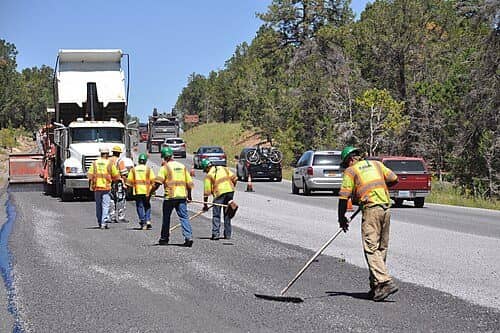
Photo: Grand Canyon National Park / Wikimedia Commons, CC BY 2.0
.jpg)
The short answer
Good crew members stay where the basics hold up: fair pay on time, steady hours and a winter plan, safe work, respect, training, a path up, and equipment that runs. Hire with an honest job ad, a real interview and a planned first week. Covered non-exempt employees get at least time and a half for hours over 40 in a workweek. Then ask the people you have what would keep them, and act on what they say.
What crews value
The Federal Reserve's 2026 Report on Employer Firms found hiring and keeping staff second only to reaching customers among owners' operating challenges. Ask crews why they stay, and you'll hear about the basics:
| What crews value | What it looks like on the job |
|---|---|
| Fair pay, on time | Payroll never late, clear pay stubs, overtime paid right |
| Steady hours and a winter plan | Schedules posted ahead, a written rain-day policy, an honest plan for November |
| Safety | Gear provided and worn, short safety talks, nobody rushed around hot equipment or traffic |
| Respect | How people are spoken to, especially when something goes wrong |
| Training | Paid and planned, with a named trainer |
| A path up | Laborer to operator to crew lead to foreman, with what each step takes |
| Equipment that runs | Maintained rigs and spare parts, so a 6 a.m. breakdown doesn't cost the crew its day |
The winter plan has to be honest: snow and ice work, shop work, or a layoff date and a recall plan. Tell people in spring, so they can plan their own winter.
Hire well and plan the first week
Write the job ad the way the job is: outside, hot and physical, with early starts, the season length, typical hours, the pay range, what you provide and where the job can lead. In the interview, ask about past work, a time they spoke up about safety, and how they've handled early starts and long days. Call references. If you want to see someone work, hire them for a paid trial day.
Plan the first week before day one:
- Day 1: W-4, Form I-9 and new-hire reporting as your state requires; safety gear; a safety talk; meet the crew. Every employer must complete Form I-9 for each new hire. The employee completes Section 1 no later than the first day of work for pay, and you complete Section 2 within 3 business days after they start work for pay.
- Days 2–4: One task at a time with a named trainer.
- Day 5: A check-in with the owner or foreman: what's going well, what's confusing.
Training is work time. Under federal rules, training counts as hours worked unless all four are true: it's outside normal hours, it's voluntary, it isn't directly related to the job, and no other work is done during it. Safety and equipment training for your crew is paid time. So is driving from one job site to the next during the workday.
Pay overtime by the rules
Covered non-exempt employees get at least 1.5 times their regular rate for hours over 40 in a workweek. A workweek is a fixed, recurring 168 hours: seven 24-hour days in a row. Hours can't be averaged across two weeks. Federal law doesn't require extra pay for weekends or holidays as such, and some states add their own overtime rules, so check yours.
Example (made-up hours): Marcus works 50 hours one week and 30 the next. Week one is 40 regular hours plus 10 overtime hours at time and a half: 40 + (10 × 1.5) = pay for 55 hours at his regular rate. Week two is 30 regular hours. Averaging the two weeks to 40 each would shortchange him 5 hours of pay.
Overtime rules don't cover independent contractors, but a 1099 or a label doesn't make someone a contractor. The working relationship decides.
Keep them: stay interviews and growing foremen
A stay interview is a short one-on-one with someone you want to keep, held before they think about leaving. Ask four things: What keeps you here? What would make you leave? What's one thing we should fix? What do you want to learn next? Write the answers down, act on one, and tell them what you did.
Grow foremen from the people others already follow. Teach estimating basics, scheduling, customer talk and paperwork. Give clear authority with limits, like what they can approve and spend without calling you, and pay that fits the bigger job.
Two paths: hire your first crew member or stay solo
Two ways to go
Hire your first crew member, or stay solo for another season?
Conservative path
Stay solo another season
Keep doing the work yourself while you save, tighten your estimates and see whether demand holds.
- Cash
- No payroll, so what the jobs earn stays with you.
- Risk
- One sick week or a hurt back stops the business, and the work you can take tops out at what one person can do.
- Time
- Another season of your own hours on every job.
- What goes wrong
- You turn down work, customers find someone else, and you're worn out by August.
Bolder path
Hire your first crew member
Bring on one person with an honest job ad, a real interview and a planned first week.
- Cash
- Wages every payday, payroll taxes, and workers' comp once you hire (B100.4), whether or not it rained that week.
- Risk
- New rules apply from day one: Form I-9, new-hire reporting, and overtime for covered non-exempt employees over 40 hours in a workweek. A hire that doesn't work out costs time and money.
- Time
- A planned first week and training, which counts as paid time.
- What goes wrong
- A slow month with payroll still due, or November with no winter plan for the crew.
When each fits
Staying solo fits when your calendar isn't full yet, your cash couldn't carry a paycheck through a rainy stretch, or payroll and insurance aren't set up. Hiring fits when you're turning down paid work, your cash can carry payroll through a slow month, and you have an honest winter plan to share in spring.
Your Move
Do this week
- Hold one stay interview with a crew member you want to keep, using the four questions.
- Pick one thing they said and act on it this month.
- Write a first-week onboarding checklist: day-one paperwork, safety gear and talk, a named trainer, a day-five check-in.
- Check last month's payroll: everyone covered who worked over 40 hours in a workweek got time and a half.
Log it: Stay interview held and onboarding checklist written.
Common questions
How do I keep good employees in a seasonal business?
Pay on time, keep people safe, give them an honest plan for the slow months, train them and show them a path up. Then ask what would keep them, and fix what you can.
Do I have to pay overtime to crew members?
For covered non-exempt employees, yes: at least time and a half for hours over 40 in a workweek, with no averaging across weeks. State law may add more.
Do I have to pay for training time?
Generally yes. Federal rules count training as work time unless it's outside normal hours, voluntary, not directly related to the job, and no other work is done during it.
Watch out for
- Averaging hours across two weeks to avoid overtime.
- Calling a worker a contractor to skip payroll taxes or overtime. The working relationship decides.
- Unpaid "tryout" days for someone you're thinking of hiring.
- Putting a new hire on a sealer rig, crack machine or busy road before training.
Free help
- U.S. Department of Labor: Fact Sheet #23: Overtime Pay Requirements of the FLSA
- U.S. Department of Labor: Fact Sheet #22: Hours Worked Under the FLSA
- U.S. Citizenship and Immigration Services: I-9 Central
- America's SBDC: Find Your SBDC for free business consulting
Free practice
Lesson check
5 questions on this lesson, one at a time, with the answer and the reason after each. Pass with 4 right, including every must-know question.
This is general education, not tax, legal, investment or insurance advice. Rules change and every situation is different. Check the sources below, and talk to a qualified professional before you act on it.
Sources
- Federal Reserve Banks: 2026 Report on Employer Firms: Findings from the 2025 Small Business Credit Survey
- U.S. Department of Labor: Fact Sheet #23: Overtime Pay Requirements of the FLSA
- U.S. Department of Labor: Fact Sheet #22: Hours Worked Under the Fair Labor Standards Act (FLSA)
- U.S. Department of Labor: Fact Sheet 13: Employment Relationship Under the Fair Labor Standards Act (FLSA)
- Internal Revenue Service: Independent contractor (self-employed) or employee?
- U.S. Citizenship and Immigration Services: I-9 Central
- U.S. Citizenship and Immigration Services: Complete and Correct Form I-9
All lessons in Business Finance 201: Grow Without Breaking →