
Lesson B201.1 · Business Finance 201: Grow Without Breaking
Growth stages and what breaks
5-minute read · Figures checked October 2026
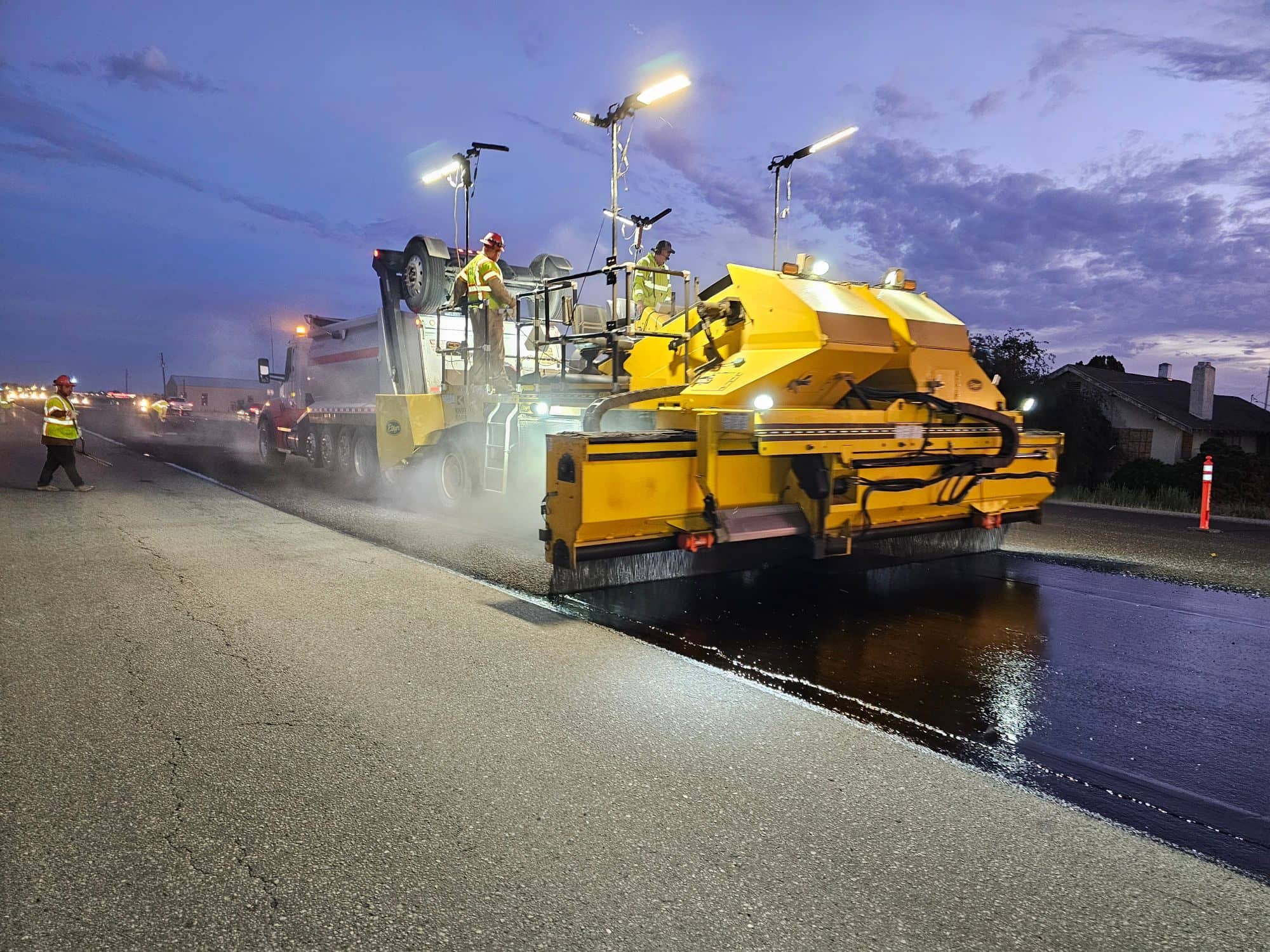
Photo: Tom Shamberger / Pexels, Pexels License
The short answer
As a pavement maintenance business grows, the work on the lot stays about the same and almost everything around it changes. Cash gets tight first, because a new crew costs payroll, fuel and materials weeks before its customers pay. Then the strain moves to people, to quality on jobs you're not there to see, and to your own hours. Grow one stage at a time, and fix whatever is breaking first.
What usually strains at each size
Count your employees and find your row. These are common patterns; your business may hit them early or late.
| Size | What usually strains | A fix that fits |
|---|---|---|
| Owner only | Your hours: you sell, run the job and do the books at night | A set office day each week for estimates and billing |
| 1–4 employees | Cash: Friday payroll comes before customers pay | Deposits, same-day invoices, a 13-week cash forecast |
| 5–9 employees | The owner: every estimate and decision waits on you | A crew lead who can run a job; written job checklists |
| 10–24 employees | Quality: two or three crews, and you can't see every lot | Foremen with clear authority; job costing by crew; a callback log |
| 25–49 employees | Management: who decides what, and who checks it | An office or operations manager; monthly numbers reviewed with your leads |
| 50+ employees | Controls: more people touching money and customers | Written procedures, approval limits, a yearly budget |
The Federal Reserve's 2026 Report on Employer Firms, built on a fall 2025 survey of 6,525 firms, asked owners about their challenges. Reaching customers and growing sales topped the operating list, then hiring and keeping staff. Rising costs topped the financial list.
Growth uses cash before it brings cash
A new crew starts costing money the first Friday. Its customers pay weeks later. Until collections catch up, the business carries the gap out of its own bank account, and the gap grows with every crew you add.
Example (made-up numbers): Ray runs a two-truck crack-repair and striping shop. He adds a second crew in April. Payroll, fuel and materials for that crew run about $9,000 a week, and his commercial customers pay about 30 days after each invoice. The crew's costs run four to five weeks ahead of its collections, so Ray needs $36,000 to $45,000 in cash to carry it. Equipment comes on top of that. The work can be profitable and Ray can still run short in June.
Before you add a crew, forecast the gap week by week, ask for deposits, invoice the day a job ends, and bill big jobs in stages. Rent or buy used before you buy new. If you borrow, the loan must pass all five Borrowing Rules (B102.3). Never borrow to cover a loss.
Don't count on a loan showing up on time, either. Among firms in the Fed survey that applied for financing, 42% got the full amount, 36% got part and 22% got none.
When to add a crew
Add a crew when the work, the leader and the cash are all in place. Look for these signs:
- Signed work stays booked out further than your customers will wait, week after week, and not for one busy May.
- Job costing shows your current crews make money on the kind of work you'd add.
- You have a foreman who can run a lot without you there.
- You have the cash for the gap, plus a plan for the new crew in November: snow and ice work, shop work, or an honest end date.
- The office can keep up with more estimates, invoices and payroll.
If any of these is missing, fix it first. Sometimes the better move is a second service, like snow and ice, that keeps the crew you already have working longer.
Keep one more question in view as you grow: could the business run for 30 days without you? Business Finance 202 builds that plan. The foremen, checklists and monthly numbers in this course are where it starts.
Different approaches
Where respected teachers differ
Ramsey's EntreLeadership teaches that the right amount of business debt is zero: build cash, be your own line of credit, and pay cash, rent or buy used for equipment. Many owners finance equipment under strict rules. The National Pavement Maintenance Contractors Association (NPMCA) teaches cash-first, and if you borrow, the five Borrowing Rules.
Your Move
Do this week
- Find your row in the size table.
- Write down the two stresses you feel most right now: cash, people, quality or your own hours.
- Pick one fix for the bigger stress and put a date on it this month.
- If a new crew is on your mind, write its weekly cost and how many weeks you'd carry it before customers pay.
Log it: Growth stage and one fix.
Common questions
How fast should a contracting business grow?
As fast as your cash, your people and your quality can keep up, and no faster. One crew at a time, with the cash for the gap already in the bank, is the safer pace.
Why am I busier than ever and still short on cash?
More work means more payroll and materials paid out before customers pay. Profit can look fine while the bank balance drops. A 13-week cash forecast shows the dip before it arrives.
When should I stop running a crew myself?
When time on the lot keeps you from selling, estimating, hiring and checking the numbers. Have a foreman you trust to run the job before you step off it.
Watch out for
- Hiring for May with no plan for November.
- Buying a second rig on the strength of one good season.
- Filling a cash gap with a merchant cash advance or any other daily-debit financing.
- Taking slow-paying commercial work before you have the cash to carry it (B201.6).
Free help
- America's SBDC: Find Your SBDC for free business consulting
- SCORE: Free business mentoring
Free practice
Lesson check
5 questions on this lesson, one at a time, with the answer and the reason after each. Pass with 4 right, including every must-know question.
This is general education, not tax, legal, investment or insurance advice. Rules change and every situation is different. Check the sources below, and talk to a qualified professional before you act on it.
Sources
- Federal Reserve Banks: 2026 Report on Employer Firms: Findings from the 2025 Small Business Credit Survey
- Ramsey Solutions: 7 Tips for How to Run a Business Debt-Free
- America's SBDC: Find Your SBDC
- SCORE: Free Business Mentoring, Workshops & Resources
All lessons in Business Finance 201: Grow Without Breaking →