
Lesson B202.8 · Business Finance 202: Build a Business Worth Buying
Protect what you built: partners, key people and continuity
5-minute read · No dated figures
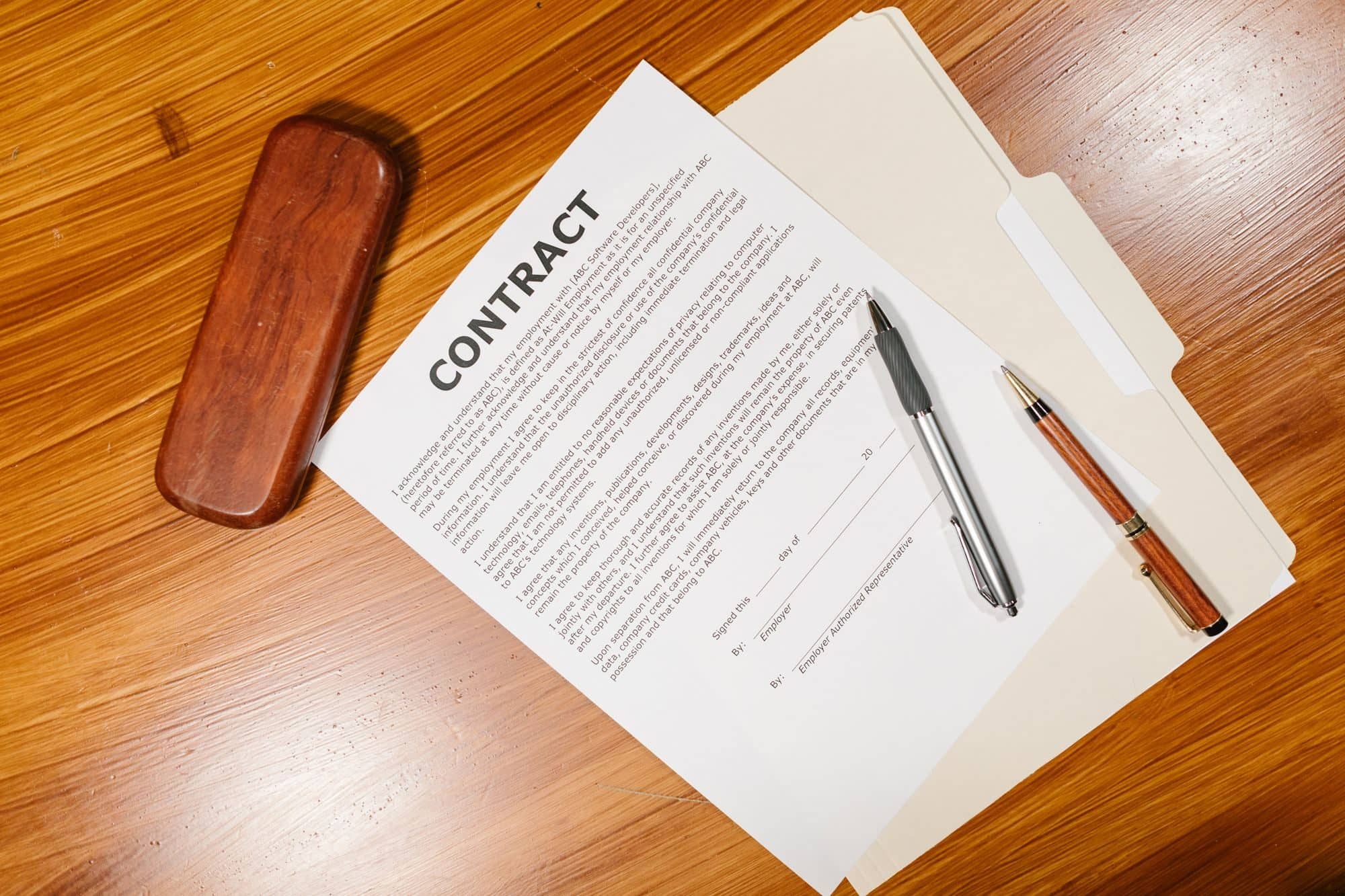
Photo: RDNE Stock project / Pexels, Pexels License
The short answer
If you have a partner, you need a written buy-sell agreement. It says what happens to each owner's share if one dies, becomes disabled, leaves, or the owners deadlock; how the share is valued; and where the money to buy it comes from. Then protect the business from losing a key person, keep payment controls in place, and finish your own will and powers of attorney.
The buy-sell agreement: five things it settles
| Event | What the agreement settles |
|---|---|
| Death | Who buys the share (the company or the other owners), at what price, and how the family gets paid |
| Disability | How disability is defined, and when an owner who can't work must sell |
| Departure | What happens when an owner quits, retires or is removed |
| Deadlock | How owners break a tie: a mediator, a set process, or one buying the other out |
| Valuation | How the price is set: a fixed price updated every year, a formula, or an appraisal |
An agreement without money behind it is a promise nobody can keep. Common ways to fund a buy-out are insurance on each owner, payments over several years, or a mix. Ask counsel whether yours should also cover an owner's divorce or bankruptcy, or an owner trying to sell to an outsider.
Each valuation method has a trade-off. A fixed price is simple but goes stale if nobody updates it. A formula, such as a multiple of SDE (B202.9), needs every term defined. An appraisal is the most current and costs the most.
Why it matters: an example
Example (made-up story). Jorge and Sam (example) own a striping company 50/50 and never wrote a buy-sell agreement. Sam dies suddenly in May, in the middle of the season. His half passes to his wife, Lisa, under his will. Lisa needs income, not a share of a striping company. Jorge needs a partner who can run crews, or the cash to buy Lisa out, and he has neither. They don't agree on what the half is worth, and the season's work is waiting.
A buy-sell agreement with a yearly price and life insurance on each owner would have paid Lisa a fair price quickly and left Jorge owning the whole company, with crews still working.
Key people, controls and your own estate plan
If one person brings in most of the work or runs every crew, losing them can stall the business even with no partner involved. Key-person life or disability insurance is owned by the business and paid to it, which gives it cash to hire, train and keep customers through the gap. The National Pavement Maintenance Contractors Association (NPMCA) does not sell, quote, or advise on insurance; talk with a licensed insurance professional about whether it fits and what it costs.
The rest of the protection is paperwork you control:
- The continuity packet and second approvers from B202.5, so payroll and payments keep moving.
- Payment controls: dual approval, alerts, and a call-back on a known number before any change to a vendor's bank details.
- Customer and supplier contracts in the company's name, so they don't depend on one person.
- Your own will, a guardian for minor children, and financial and health care powers of attorney (Personal Finance 202). Without a power of attorney, your family may need a court's permission to act for you.
- An operating agreement or bylaws that match the buy-sell agreement.
Your Move
Do this week
- Find your operating agreement or bylaws and any buy-sell agreement, and read what they say about death, disability, departure, deadlock and valuation.
- Write down your answers to those five events, plus how a buy-out would be paid for.
- List the key people whose loss would stall the business and what you'd need to get through the gap.
- Book a meeting with a business attorney, and bring your CPA in on valuation and tax questions.
- Check that your own will and powers of attorney are current.
Log it: Buy-sell checklist done and counsel booked.
Common questions
Do we need a buy-sell agreement if my partner is family?
Yes. Family businesses need clear terms as much as anyone, and an agreement written while everyone gets along is far easier than one negotiated after a death or a falling-out.
How often should we update the price?
If the agreement uses a fixed price, update it every year and put the date on the calendar. A price set years ago can be far from what the share is worth now.
What is key-person insurance?
Coverage the business owns on someone it depends on, paid to the business if that person dies or can't work. A licensed insurance professional can explain amounts and costs.
Watch out for
- A fixed price nobody has updated in years.
- An agreement with no money behind it.
- A buy-sell agreement that conflicts with the operating agreement or bylaws.
- Templates that don't fit your state's law or your company's documents.
NPMCA's data affiliate may earn fees from private-equity introductions. The lesson above is the same either way.
Free help
- America's SBDC: free one-on-one business consulting. Find your SBDC
- SCORE: free mentoring from experienced business owners. score.org
Members: tools for this Move (after sign-in)
For National Pavement Maintenance Contractors Association (NPMCA) members:
- Legal services: /member-resources/legal-services
NPMCA may be paid by partners listed here. The lesson above is the same either way.
Free practice
Lesson check
5 questions on this lesson, one at a time, with the answer and the reason after each. Pass with 4 right, including every must-know question.
This is general education, not tax, legal, investment or insurance advice. Rules change and every situation is different. Check the sources below, and talk to a qualified professional before you act on it.
Sources
- No outside figures are used in this lesson. Legal points are general education, and state law varies, so check them with your attorney.
- America's SBDC: Find your SBDC; SCORE: score.org
All lessons in Business Finance 202: Build a Business Worth Buying →